Highlights

Start with the problem
Co-design begins by clearly defining and then aligning around the problem that brings people together in the first place.
Stakeholders bring more than opinions
They contribute interests, knowledge, lived experience and influence, each shaping how collaboration unfolds.
Power should be discussed, not avoided
Acknowledging power dynamics early can prevent misunderstandings and build more transparent partnerships.
Impact grows from many small wins
Systemic change rarely comes from one intervention. It grows from coordinated efforts across teams and initiatives.
Designers are facilitators of possibility
Rather than controlling outcomes, designers help create the conditions for collaboration, imagination, and shared decision-making.
Designing Collaboration (without pretending it’s simple)
Collaboration is one of design’s favourite words. We put it on proposals, include it in strategy decks, and occasionally print it on tote bags. However, making collaboration actually work, especially across complex organizations with diverse stakeholders and communities is another matter entirely.
In practice, collaboration often means bringing together people with different priorities, different incentives, and occasionally different understandings of the problem itself. That messy but necessary reality was the subject of the latest DesignMeets event, Co-Design as a Practice Framework, featuring Dutch design researcher and educator Dr. Wina Smeenk.

Smeenk’s work focuses on helping teams navigate complex societal challenges through structured collaboration. Her tool of choice is the Co-Design Canvas, a practical framework she designed to help teams navigate the complexity of collective problem-solving without losing the thread of why they came together in the first place.
And like many good frameworks, it begins with a deceptively simple question.
Why are we here?
After all, that “why,” Dr. Smeenk noted, is where everything starts.
It sounds obvious. But anyone who has sat through a project kickoff knows how quickly alignment can dissolve. The Co-Design Canvas forces difficult conversations into the open. Before brainstorming solutions, participants first work to clarify the context and the shared purpose of their collaboration.
In other words: no jumping straight to Post-it notes about apps.
The Stakeholder Reality Check
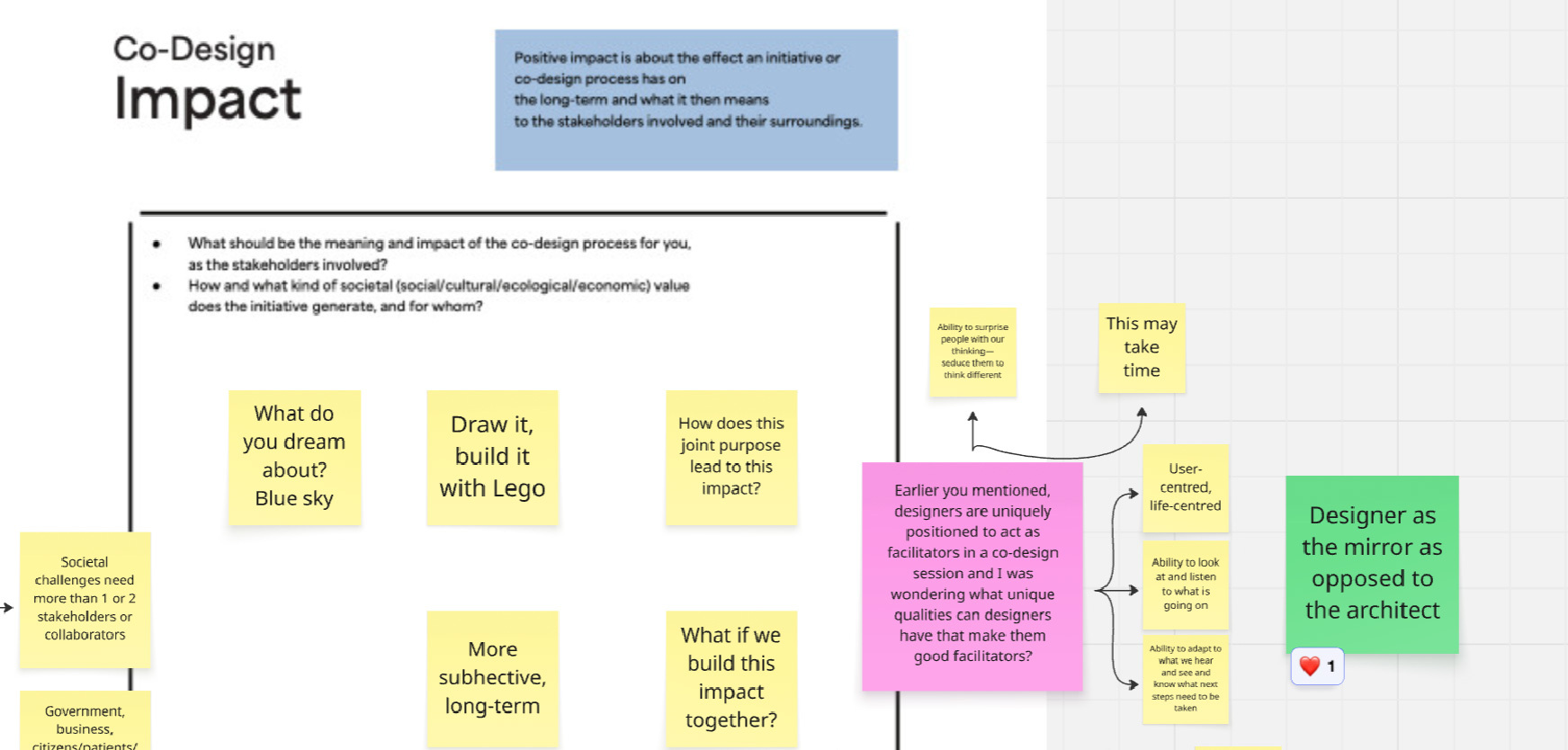
Once the context is clear, the framework shifts attention to the people involved. And here Smeenk makes an important distinction. Stakeholders are not simply “users.” They are professionals, community members, and decision-makers with their own knowledge, motivations, and interests.
Each perspective reveals something different about the system being examined. And understanding those perspectives requires acknowledging something that many collaborative processes prefer to ignore. Power. As Smeenk said during the session, “Everybody has power”.
Not just formal authority, but influence, networks, expertise, and initiative. Ignoring those dynamics doesn’t remove them, it simply ensures they surface later, often in dramatically less productive ways.
By discussing them early, teams can establish a more transparent foundation for collaboration. It may not eliminate disagreements, but at least everyone understands the playing field.
A Process That Moves (because reality does)
One of the more refreshing aspects of the Co-Design Canvas is that it resists the tidy, linear diagrams that we are forced to admit, designers love.
The framework moves between context, stakeholders, purpose, activities, results, and long-term impact. Teams can begin almost anywhere, revisiting earlier assumptions as new information emerges. That flexibility reflects how collaborative work actually unfolds.
In some sessions, teams start by defining the problem. In others, they begin with a more imaginative exercise: envisioning the future they want to create and then working backwards.
Designers might encourage participants to sketch, build with Lego, or describe ideal scenarios. Once those visions are visible, teams can trace the steps required to move from aspiration to action. The result is less a single design process and more a portfolio of coordinated efforts, where multiple interventions collectively move the system forward.
Think less “silver bullet,” more “well-organized toolbox.”
The Designer as Facilitator
Running through the conversation was a quiet but important shift in how designers think about their role.
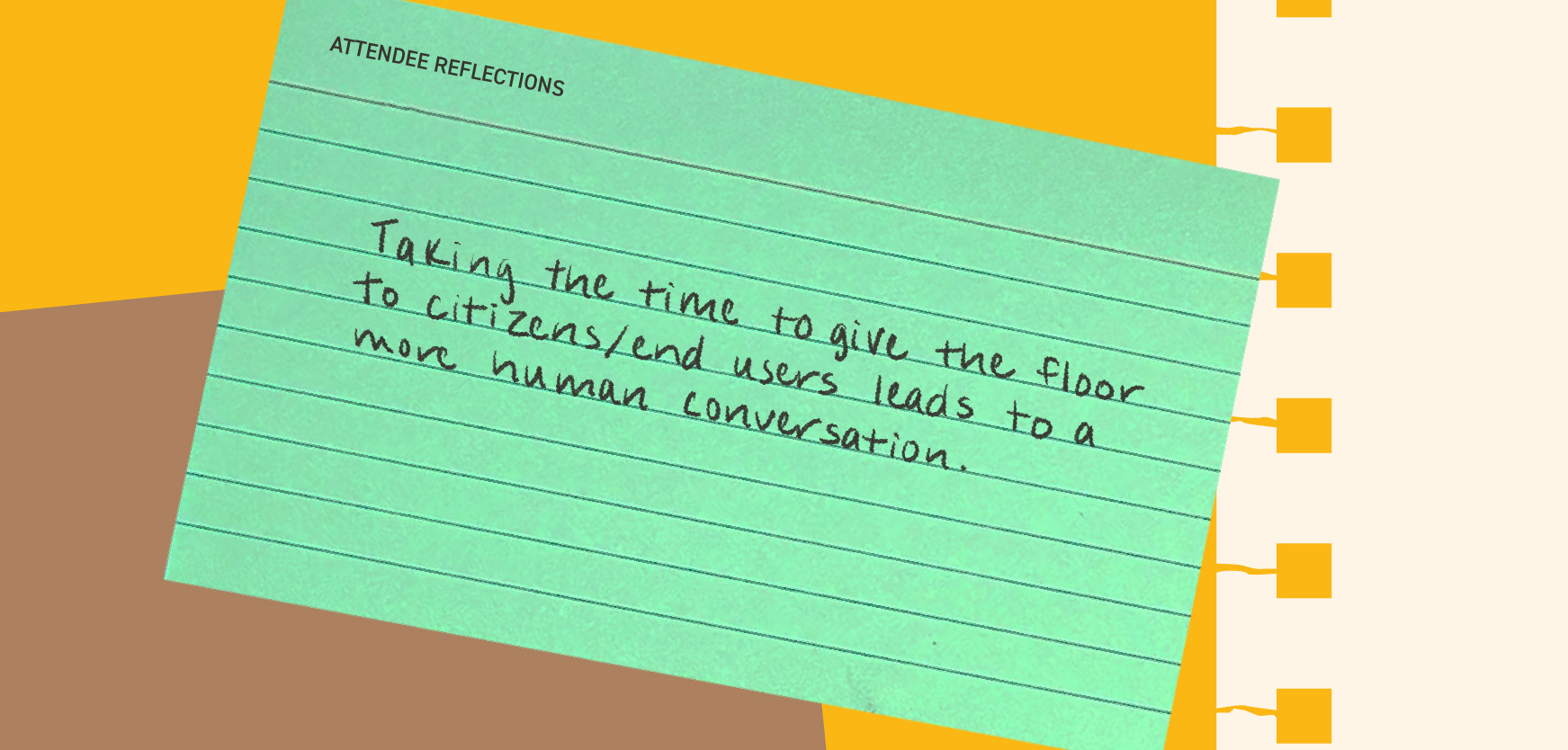
When the challenge is systemic – healthcare, climate resilience, community wellbeing – designers are rarely the sole authors of solutions. Instead, they help structure the conversation.
They visualize complexity.
They surface different perspectives.
They create the conditions for people to work through problems together.
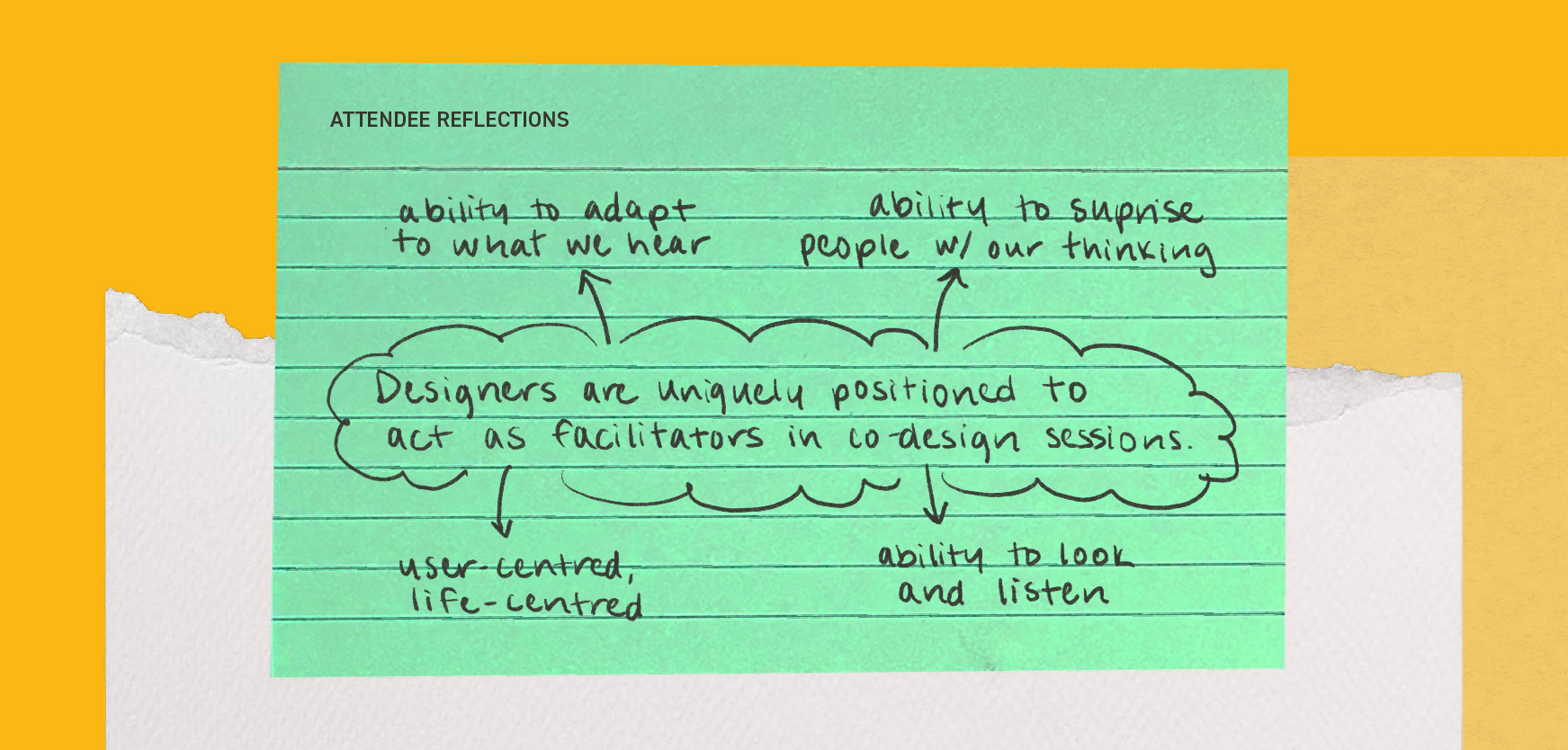
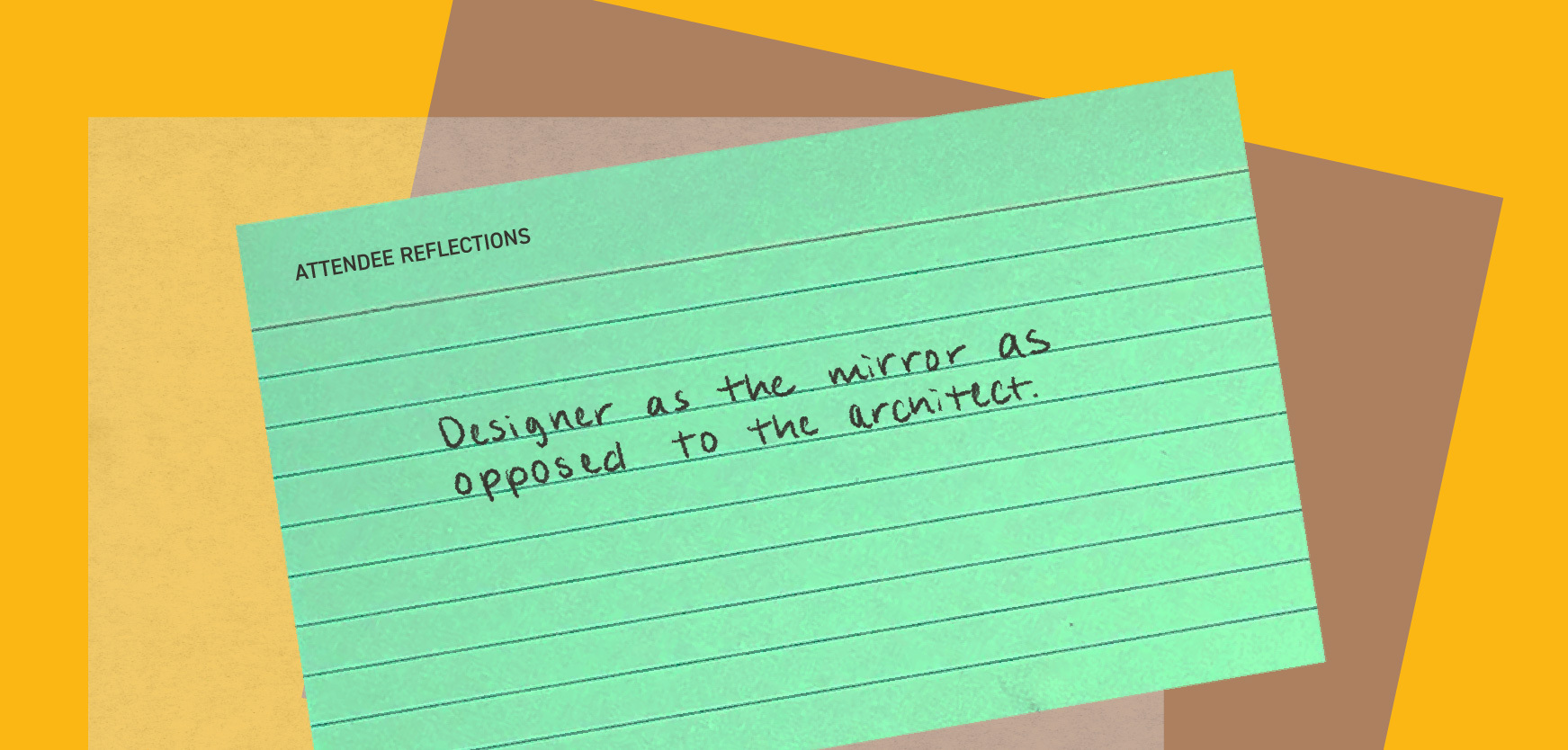
As Dr. Smeenk described it, designers are uniquely positioned to guide these collaborations in that the designer becomes less an architect of outcomes and more a facilitator of possibility.
Someone who can hold the room, guide the process, and help a group see the system they are working within.
And occasionally, when the meeting really needs it… bring out the Lego.
About Design Meets™
Proudly sponsored by Pivot Design Group, DesignMeets is a series of social events where the design community can connect, collaborate, and share ideas. Join us at a DesignMeets™ event to network, learn, and be inspired.
Sign up for our newsletter to stay in the loop.
Sponsors